Breeding Cruelty - How Tourism Is Killing Africa’s Lions
Author:
First published in Sanctuary Asia,
Vol. 35
No. 8,
August 2015
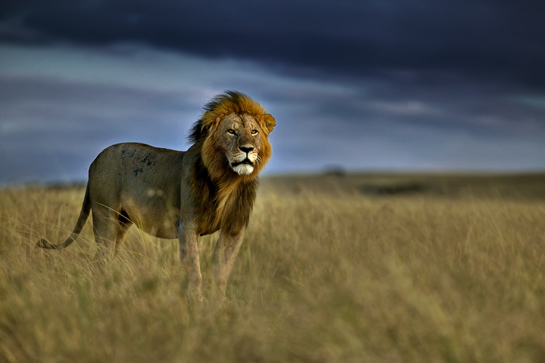 Photo: Andy Rouse.
Cecil was just one of thousands of lions whose welfare and existence is under threat from unethical tourism practices throughout Africa, reveals World Animal Protection in a report launched on Monday, August 10, 2015.
Many tourists are unwittingly creating a demand that, beyond the horrors of hunting, subjects wild animals to a lifetime of misery from the moment they are born. Across the world, animals are being taken from the wild and bred in captivity to be used in the tourist entertainment industry. Lions, elephants, tigers and many more species are taken from their mothers at a young age and forced to endure cruel and intensive training to be used as photo props for tourist ‘selfies' or for joy rides on their back as ‘jungle safaris' - all in the name of entertainment. Some species, like lions, are also sold as disposable commodities and may end up in the hunting industry.
Animals taken from the wild, or bred in captivity, for the tourism industry not only live in unacceptable captive conditions, but also endure cruel and intensive training for the same. For instance, all captive wild elephants go through an intense and stressful breaking-in process to accept having people ride their necks and backs.
Much of this abuse takes place behind the scenes and tourists are often unaware of how tired or stressed the animals really are. Sadly the trade is growing globally. Cruel wildlife tourism attractions are rife across South-East Asia and spreading quickly to Africa. The demand for wildlife experiences is driving the cruel animal entertainment industry.
World Animal Protection has major concerns about the welfare of lions in captivity:
1. Young cubs are separated from their mothers, sometimes only a week after they are born, to begin their ‘training' to be safe for tourist handling.
2. They are presented to tourists, constantly viewed and mishandled hundreds of times a day, which can lead to stress and injury.
3. They are typically punished using pain and fear as controlling factors in order to stop aggressive or unwanted behaviour.
4. Large animals are often kept in small concrete enclosures and are fed inadequate diets which may not meet their basic welfare needs.
5. These conditions can cause chronic stress making them more susceptible to disease.
World Animal Protection also fears for the fate of those adult animals which are no longer of use, since they are either too large or too dangerous for direct contact with tourists. Unlike other captive conservation programmes, commercial parks do not help to boost wild population numbers and so the animals can never be safely released into the wild.
Source: World Animal Protection
The url to the campaign page is -Â http://www.worldanimalprotection.org.in/wildlife-not-entertainers
Our Facebook page is - www.facebook.com/WorldAnimalProtectionIndia
Join the movement - #WorldLionDay

