Costa Rica To Close Public Zoos
Author:
First published in Sanctuary Asia,
Vol. 33
No. 8,
August 2013
In his late July announcement, the Minister said that the 97-year-old Simon Bolivar Zoo in central San Jose would be transformed into a botanical garden, and that the Santa Ana Conservation Center, a zoo west of the city, would become a 51-hectare forest reserve.
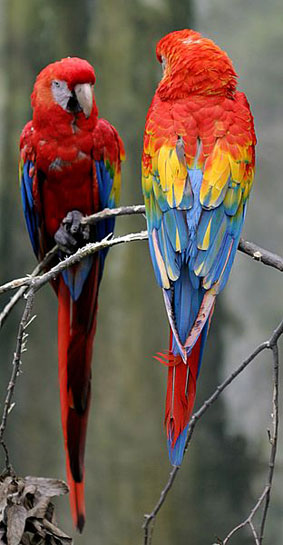
At a news conference attended by local media, Mr. Castro shared a childhood memory. Describing a pet parrot owned by his grandmother, Castro said, “One day, we took the parrot out to the patio, and a flock of wild parrots passed, and the parrot went with them. It made a big impression on me because I thought that we were taking good care of her. We fed her with food and affection… all these things that we as humans thought she liked. And when she had the chance, she left."
Castro explained, “We are getting rid of the cages and reinforcing the idea of interacting with biodiversity in botanical parks in a natural way. We don't want animals in captivity or enclosed in any way unless it is to rescue or save them."
The two public zoos hold 400 animals of 60 different species, including big cats, monkeys, birds, reptiles, and insects. Deputy Environment Minister Ana Lorena Guevara said that all of the animals will be released into the wild or sent to various wildlife sanctuaries or rescue centers if unsuited for release.
Costa Rica's plan to shut down its zoos follows recent moves by other countries to protect animals from life in captivity. Earlier this year, India banned the exploitation of dolphins for entertainment, joining Costa Rica, Hungary, and Chile. In the U.S., the keeping of captive chimpanzees will soon be strictly limited, because they are likely to become candidates for protection under the Endangered Species Act.
Costa Rica occupies 0.03 per cent of the earth's surface, but is home to 4.5 per cent of its biodiversity. The Central American nation is internationally recognized for its conservation efforts. About 52 per cent of its land is forested, and nearly 30 per cent is preserved under national parks or forest reserves. Costa Rica already has bans on sport hunting, circuses with animal acts, and recently passed legislation making the keeping of wildlife as pets illegal as well.
Author: Jennifer Scarlott, Source: Treehugger.