Historic Call For Ban On Domestic Ivory Trade At The IUCN World Conservation Congress
Author:
First published in Sanctuary Asia,
Vol. 36
No. 9,
September 2016
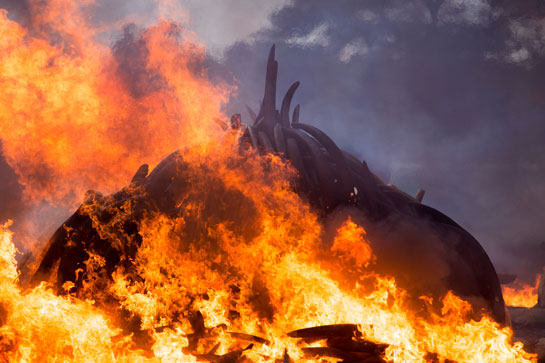 Photo: Mwangi Kirubi/Public Domain.
Though the ban on international trade in ivory was first announced back in 1989, domestic black markets continued to thrive, especially in China and the USA. The motion was particularly momentous as countries such as Japan, Namibia and South Africa opposed a complete ban and were in favour of the implementation of a regulated trade of ivory. However, landslide votes for the ban including by countries such as Cameroon and Kenya offset their objections.
“The shutting down of domestic ivory markets will send a clear signal to traffickers and organised criminal syndicates that ivory is worthless and will no longer support their criminal activities causing security problems in local communities and wiping out wildlife. Critically, closing domestic markets will also prevent the selling of illegal ivory under the cover of a legal trade, making it much easier for law enforcement agencies to do their jobs and much harder for the syndicates to profit from their nefarious trade," said Cristian Samper, President and CEO, Wildlife Conservation Society.
African elephant populations have been decimated at an alarming rate due to rampant poaching. Between 2010 to 2012, more than 100,000 elephants were illegally slaughtered for their ivory. This included over 40, 000 elephants poached in South Africa alone. In less than a decade, more than a third of the African elephants have been lost to poachers. Only about seventy years ago, the population of wild African elephants was estimated to be 5 million - 10 million. Now, less than 500,000 elephants are believed to remain in the wild.
The resolutions passed at the IUCN World Conservation Congress, which is held every four years, are not legally binding, but the aim and hope is to influence the governments of the countries to officially imbibe the motions that have been passed. Hopefully this call for ban on domestic ivory trade will lead to a global shut down of ivory markets.
“As thousands of conservationists gathered in Honolulu for the World Conservation Congress, it was more than clear that IUCN members needed to take a strong stand if Africa's elephants were to have a chance at survival,"  added Samper.Â

