Illegal Fish Trade Pushing Critically Endangered Vaquita to Extinction
Author:
First published in Sanctuary Asia,
Vol. 35
No. 8,
August 2015
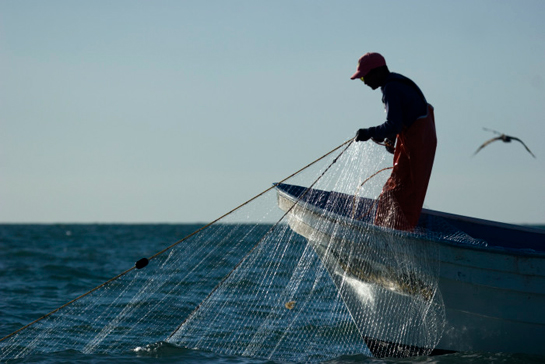 Photo: Chris Johnson.
Only discovered in 1958, the world's most endangered marine mammal is on the verge of becoming extinct. The vaquita, a small porpoise found only in the waters off the coast of Mexico, has had to face the brunt of the ongoing illegal fish trade that is supplied to Chinese and Hong Kong markets. Less than 20 years ago the population of vaquitas was estimated to be 567 individuals. Today, the numbers have plummeted to an alarming 97. This drastic decline in vaquita populations is due to the resurgence of illegal gillnet fishing that targets the totoaba fish for its bladder.
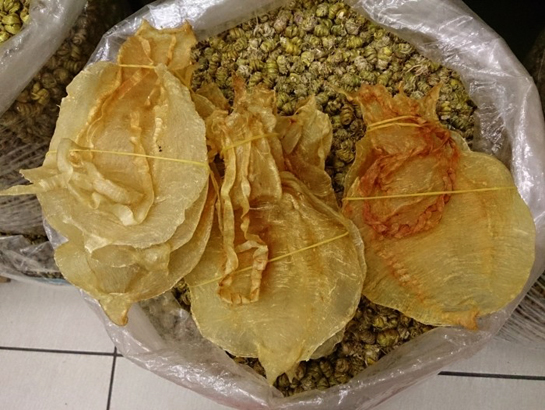 Photo: EIA.
The fish bladder also called ‘fish maw' is used as an ingredient in Chinese delicacies and is also sought after for its supposed health benefits. The totoaba bladder is one of the most expensive types of fish maw, and sells for anywhere between $7,000 and $14,000. It is thus referred to as the ‘golden coin' of the fish bladder trade. The results of a survey in May 2015 by the Environmental Investigation Agency (EIA), show that the illegal trade of totoaba products are continually supplied to a relatively small group of entrenched consumers. This indicates the failure of enforcement agencies to curb the smuggling of illegal fish parts, as traders in totoaba bladder admitted that smuggling the products is easy due to customs agencies not routinely inspecting fish maw consignments. As the EIA uncovered, the trade in illegal parts is not exclusive to Chinese shops and markets alone. Extensive online research identified a large number of platforms for trade in fish bladder, with an exceptional interest in the totoaba fish among consumers.
 Photo: Chris Johnson.
In the midst of the illegal fishing racket, the vaquita's numbers have continued to dwindle with each passing day. Although the plight of the porpoise has recently gained international attention especially in Mexico and southern California, the response from enforcement agencies in China and Hong Kong remain significantly below par. The Team Leader of EIA's Oceans Campaign mentions that, “the future survival of the vaquita rests in the hands of a relatively small number of Chinese consumers of totoaba maw. While this lucrative market continues, the vaquita will inevitably die in illegal fishing nets and dwindle to extinction."

