Looking at the Bright Side this World Environment Day
First published in Sanctuary Asia,
Vol. 40
No. 6,
June 2020
By Divya Kilikar
We approach World Environment Day in 2020 with a little trepidation. Our country’s leaders haven’t been doing a great job of recognising and preserving our natural ecosystems for some time now, but this year has been exceptionally appalling. The axe that is COVID-19 fell hard on conservation efforts across the subcontinent, forcing many of our wildlife protectors out of jobs, and presenting poachers and encroachers with ample opportunity. In the last two months, thousands of Indians (but not nearly enough) learned about regions that have held much ecological significance for our nation - that many of you had probably never heard of before - in light of destructive development projects that have been proposed here. The Dehing Patkai Elephant Reserve and Dibang valley are two such regions. We are grateful for your support, and we hope you’ll continue raising your voice against the wrong being done to the very ecological systems that give us life.
However, today, we want to remind our supporters and readers of the reason we’ve all been campaigning hard for ecological justice, in our own ways, be it through art, science or activism - the same reason we fell in love with nature first, as children who followed tiny insects and looked for bird nests. Here’s a look at the astonishing natural wonders that still flourish (albeit in steadily diminishing pockets) across India - parks, sanctuaries and habitats that you may not have heard of before.
Keibul Lamjao National Park, Manipur
Located in Manipur, Keibul Lamjao is probably the world's only 'floating' sanctuary that comprises 40 sq. km. of wetland overgrown with 1.5 m. deep floating vegetation.
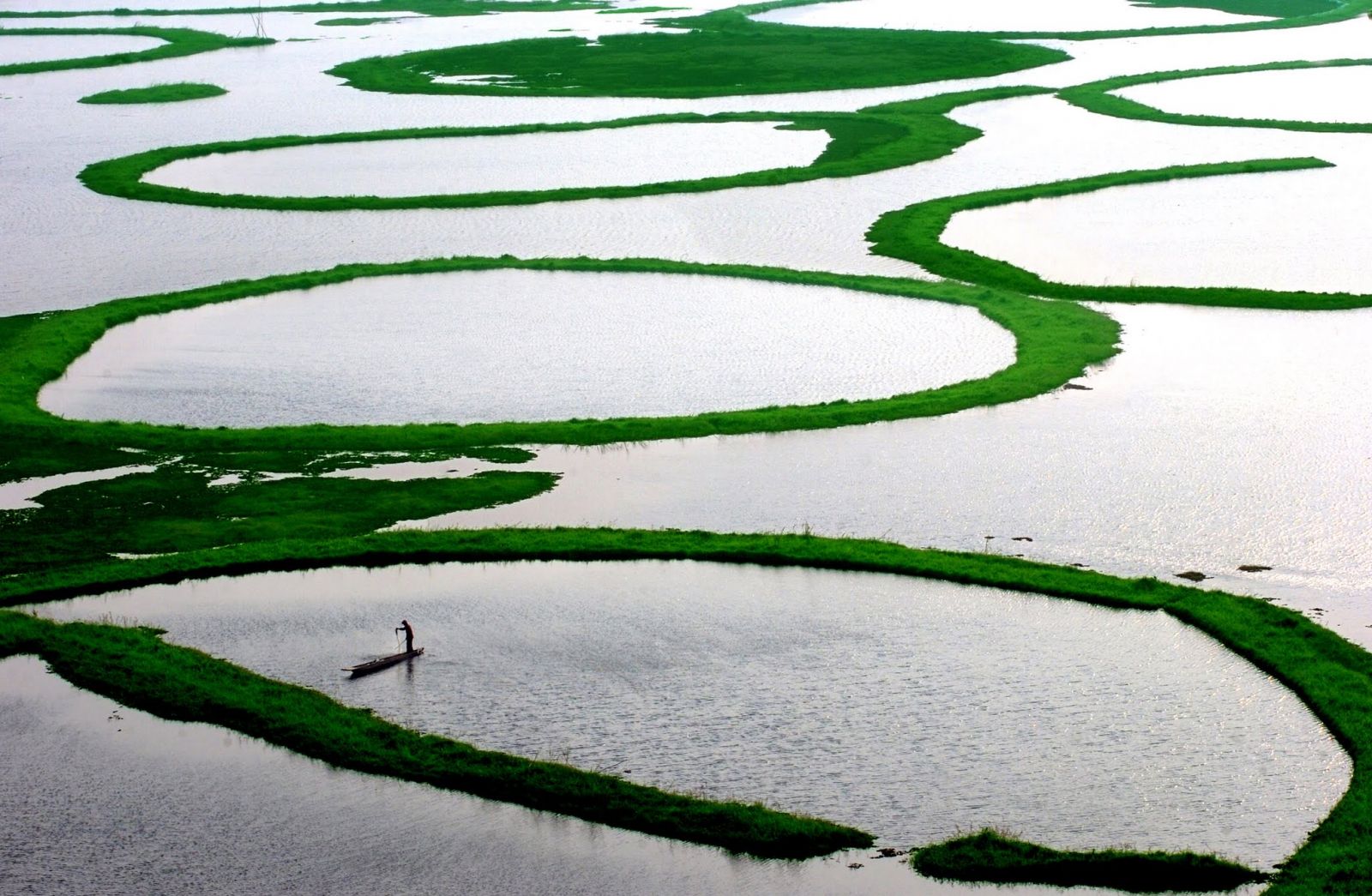
Image courtesy: Sudipto Das
Apart from the vegetation and terrain, an important highlight of the park is the Loktak lake, the largest freshwater lake in India; a large portion of which falls within the park. Keibul Lamjao consists of the unique 'phumdi' or floating marshes. Eighty per cent of the flora is submerged and the vegetation forms a 90-120 cm. thick cover on the water surface.
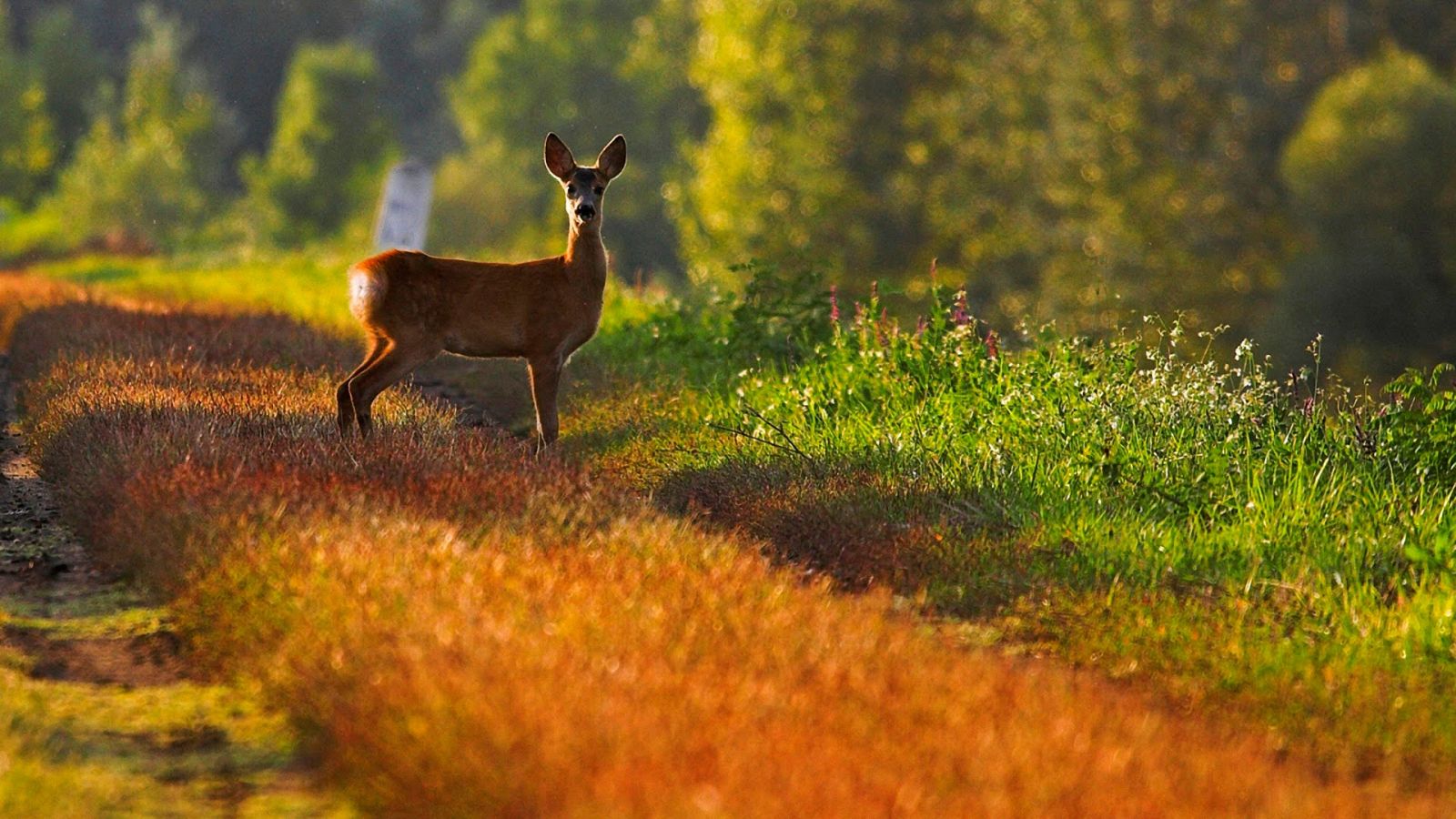
Image courtesy: Lenin Khangjrakpam
The entire Loktak Lake was protected and declared a sanctuary in October 1953, primarily to save the sangai deer, which was threatened by extinction. An estimation by the Manipur Forest Department in 2018 states that there are currently 260 individuals of the species, found only in the Keibul Lamjao National Park.
Lahaul Forest Division, Himachal Pradesh
Vast and sparsely populated, Lahaul and Spiti districts, and the Pin Valley National Park whose notified area lies within, are home to the ‘grey ghost of the Himalaya’, one of the few natural wonders found (if you’re extremely lucky) in the harsh, often subzero, temperatures here.

